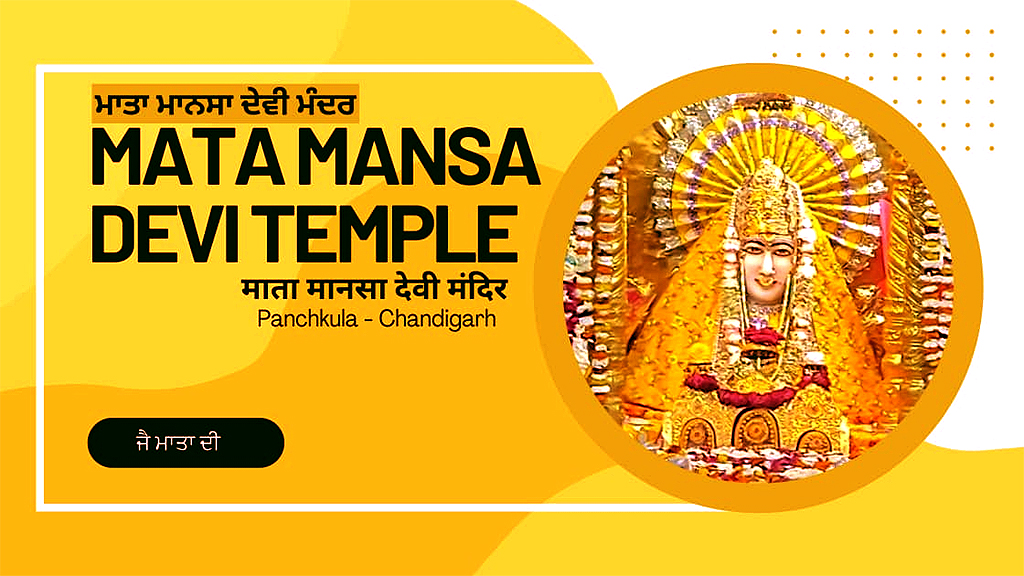
The Mata Mansa Devi Mandir in Panchkula, Haryana, is one of North India’s most revered Shakti Peethas. Its history is a blend of ancient mythology, royal patronage, and modern administrative transformation.
Ancient Origins & Mythology
The Shakti Peetha: According to Hindu mythology, when Lord Shiva carried the charred body of Sati, her forehead (Mastak) fell at this location
Early Worship: Long before any formal structure was built, locals worshipped the goddess in the form of three Pindis (sacred stone pebbles) representing Mansa Devi, Saraswati, and Lakshmi. Legend says a cow would come daily to the hilltop and offer milk at these stones, leading the villagers to discover the holy site.
The Mythological Origin :
According to the Puranas, Mansa Devi is the daughter of Sage Kashyapa and the sister of the serpent king Vasuki.
The Name: The word Mansa is derived from the Sanskrit word Manas (mind). It is said she was created from the mind of Sage Kashyapa through intense meditation.
The Protector: She is widely revered as the goddess who protects against snakebites and heals diseases. In the deeper spiritual sense, she is the goddess who fulfills the “Mansa” (wishes/desires) of her devotees.
The Shakti Peeth Legend
The Panchkula temple is considered a Siddh Peeth (a place of realized power). According to the Shiva Purana:
After Goddess Sati immolated herself in the sacrificial fire of her father Daksha, Lord Shiva performed the Tandava (dance of destruction) while carrying her body.To calm Shiva and save the universe, Lord Vishnu used his Sudarshana Chakra to cut Sati’s body into 51 parts.It is traditionally believed that the forehead (Mansa) of the Goddess fell at the site where the Panchkula temple now stands. This makes the crown of the hill a sacred spot for “Mastaka” (head) worship.
The Local Folklore: The Cow and the Sage
A popular local legend explains how the temple site was “rediscovered” centuries ago: A local cowherd noticed that one of his cows would go to a specific spot on the Shivalik hilltop every day and spontaneously offer her milk onto a flat stone.Curious, the villagers investigated and found an ancient idol of the Goddess buried there.Around the same time, a local saint or devotee (often identified in oral history as a simple forest-dweller) had a vision of the Goddess, who instructed him to build a small shrine. This humble beginning eventually led to the grand royal patronage by the kings of Mani Majra and Patiala in the 1800s.
The Symbolism of the Goddess
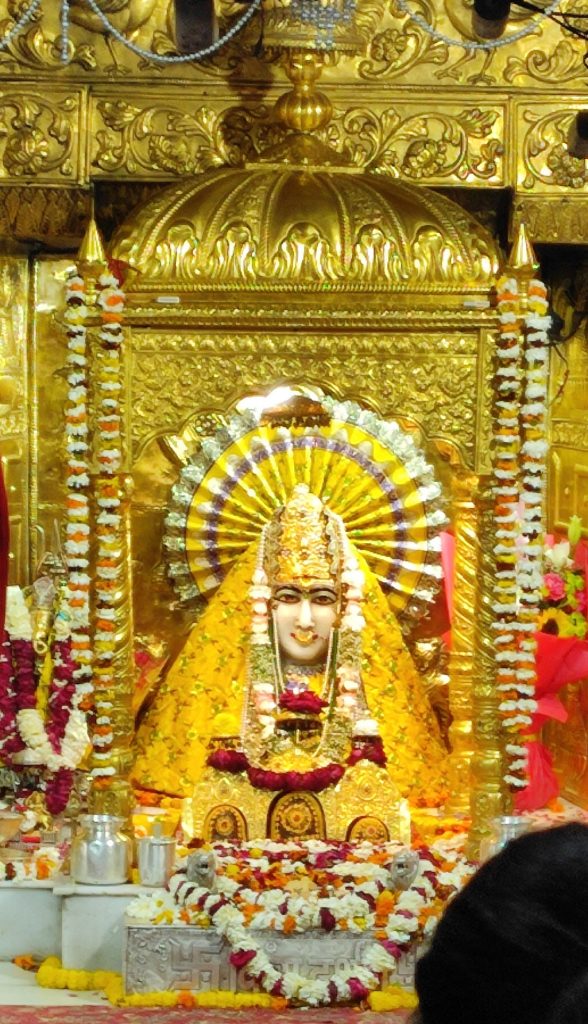
In the temple, Mata Mansa Devi is often depicted with three heads or represented by three pindis (sacred stones), symbolizing: Maha Lakshmi (Prosperity), Maha Kali (Power/Destruction of Evil), Maha Saraswati (Knowledge)
Note: Devotees often tie a sacred thread around the Peepal tree within the temple complex while making a wish. Once the wish is fulfilled, it is a tradition to return and untie a thread as a gesture of gratitude.
"Mata Diya Bhentan"
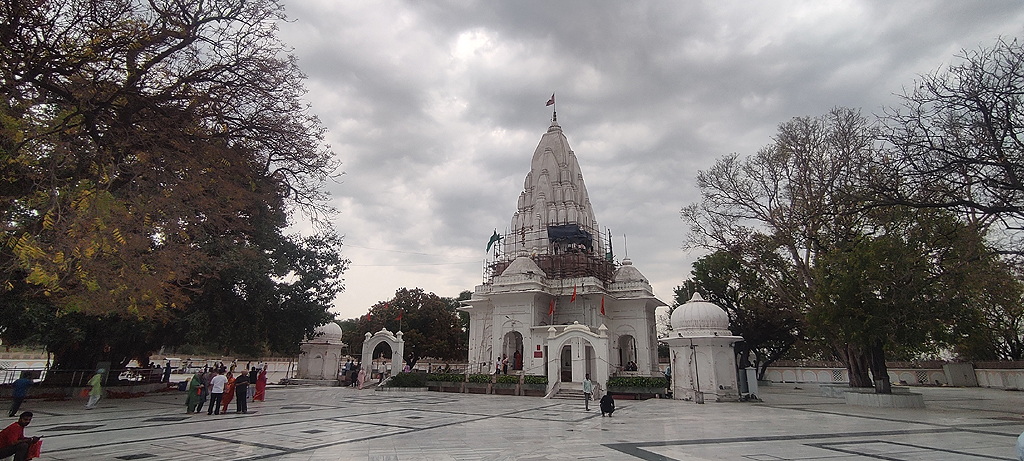
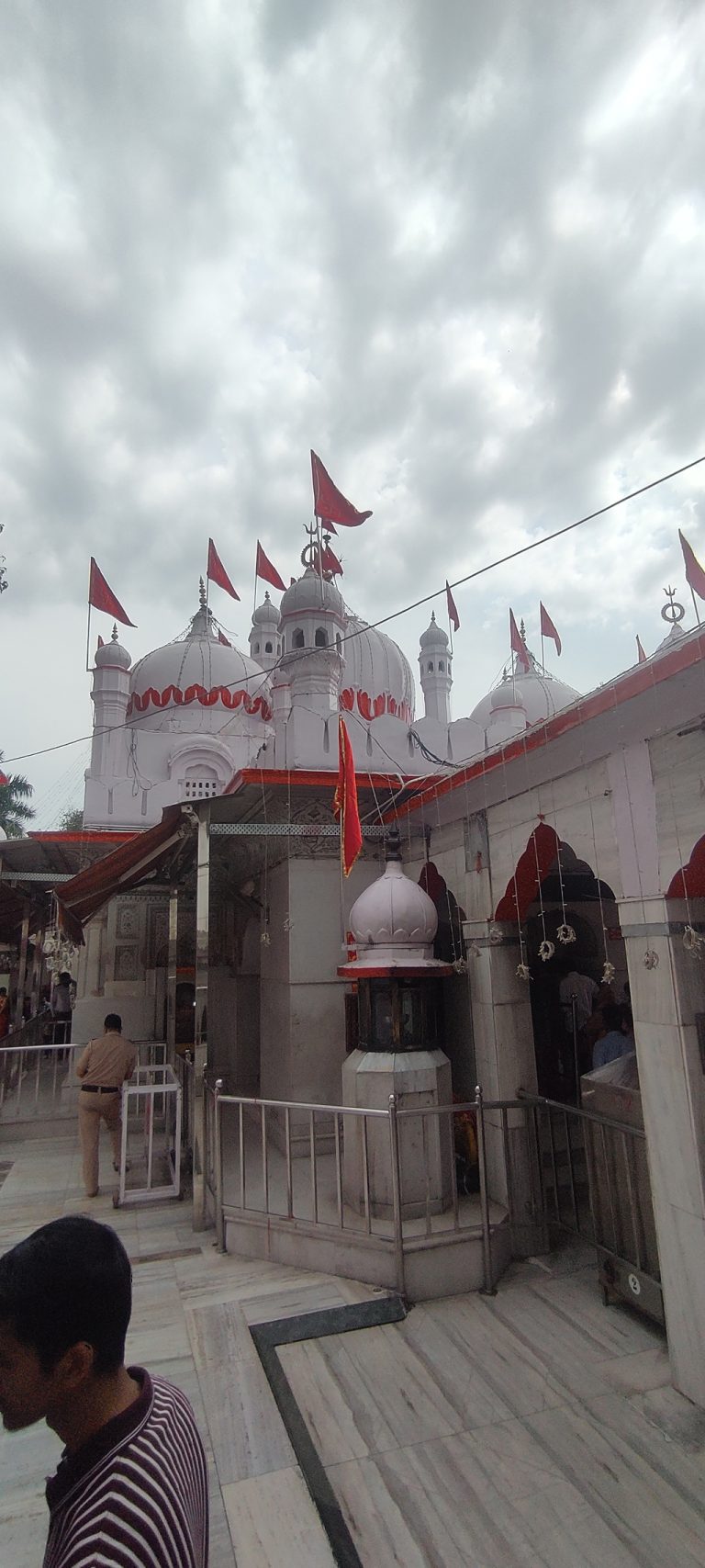
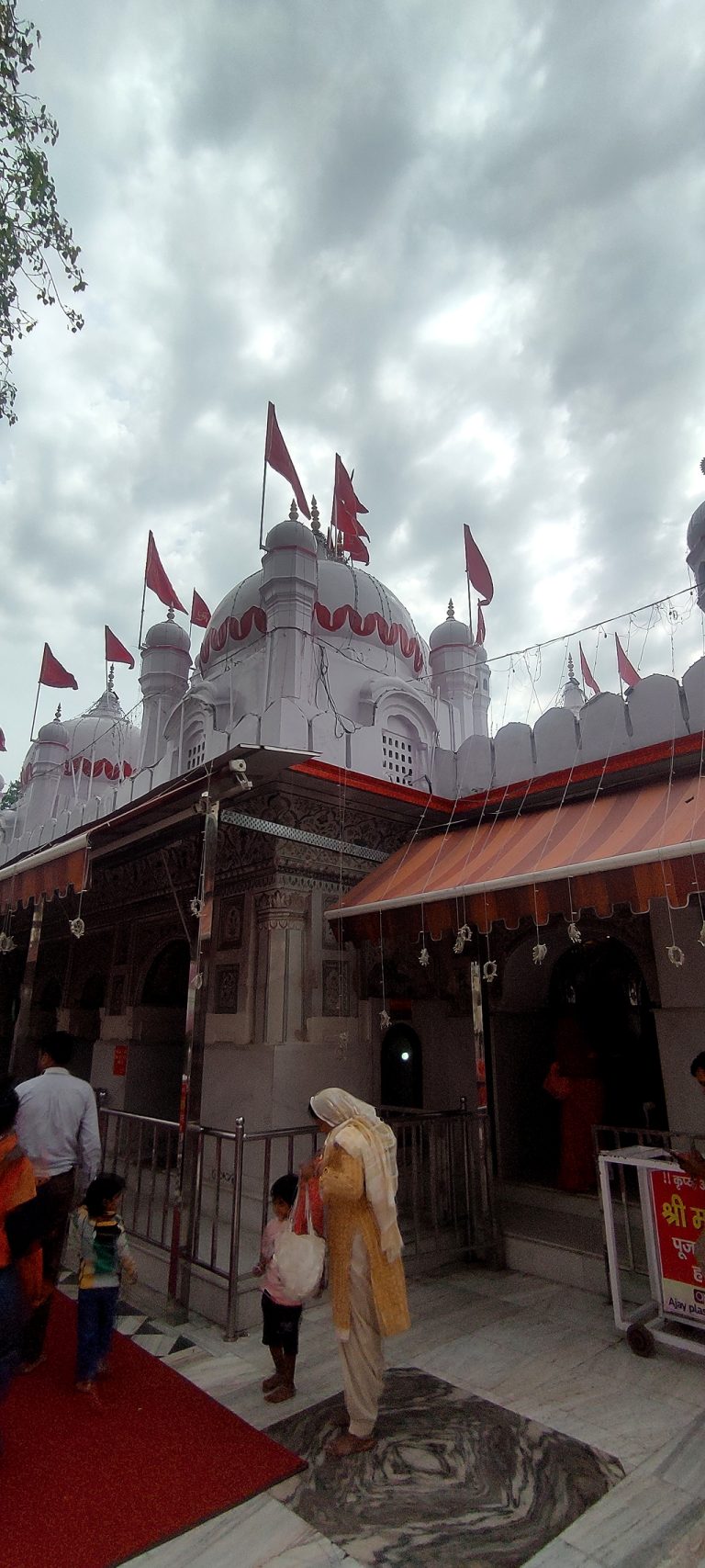
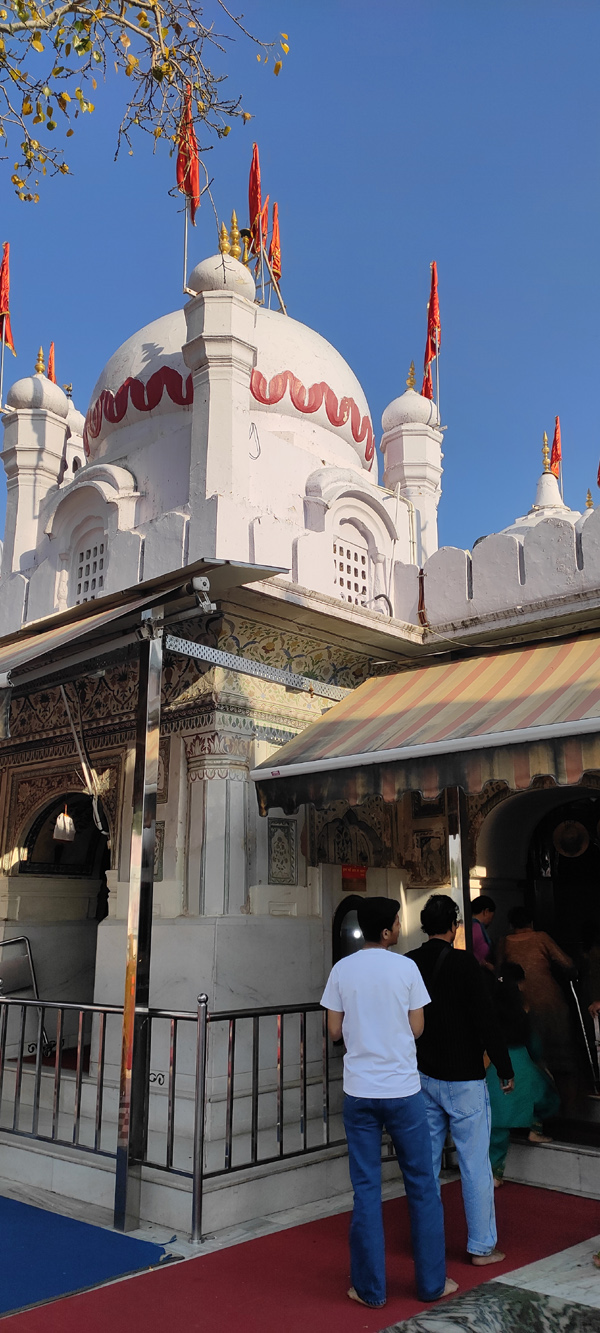
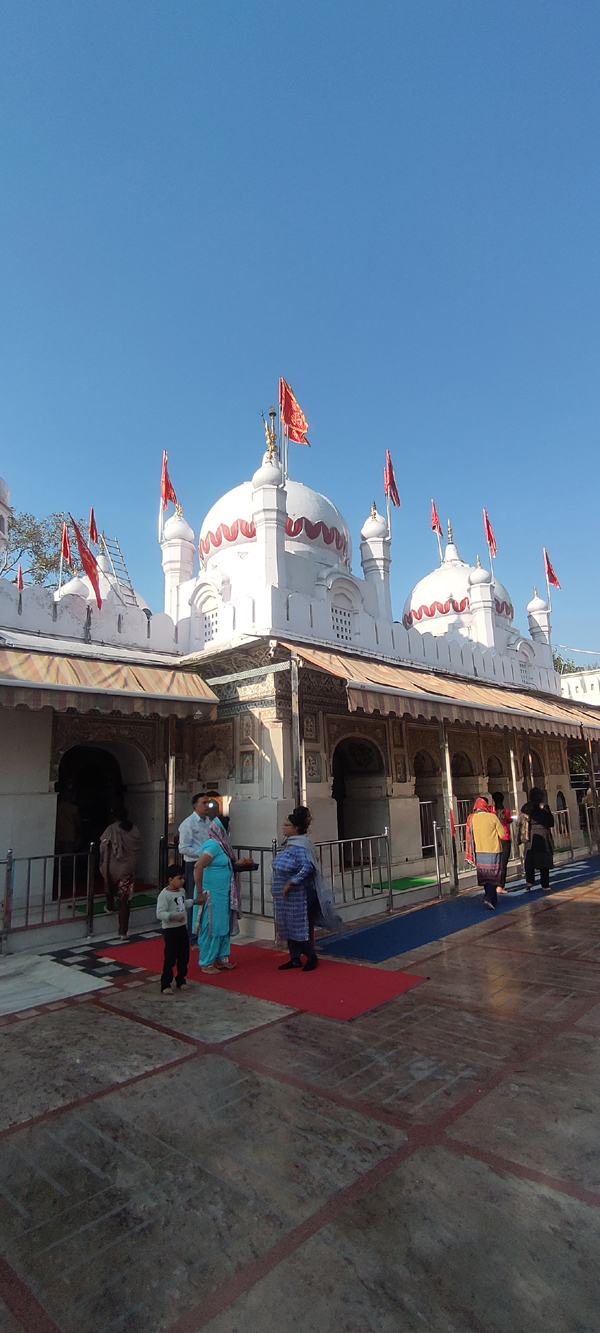
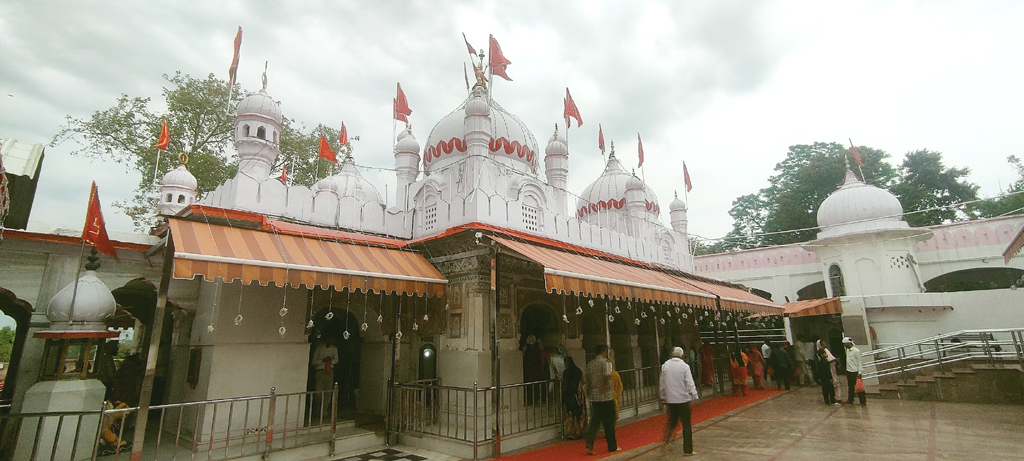
The present main temple was constructed by Maharaja Gopal Singh of Mani Majra.
Motivation: Legend has it that the King built a 3-km-long secret cave from his fort to the temple so he and his queen could offer prayers daily.
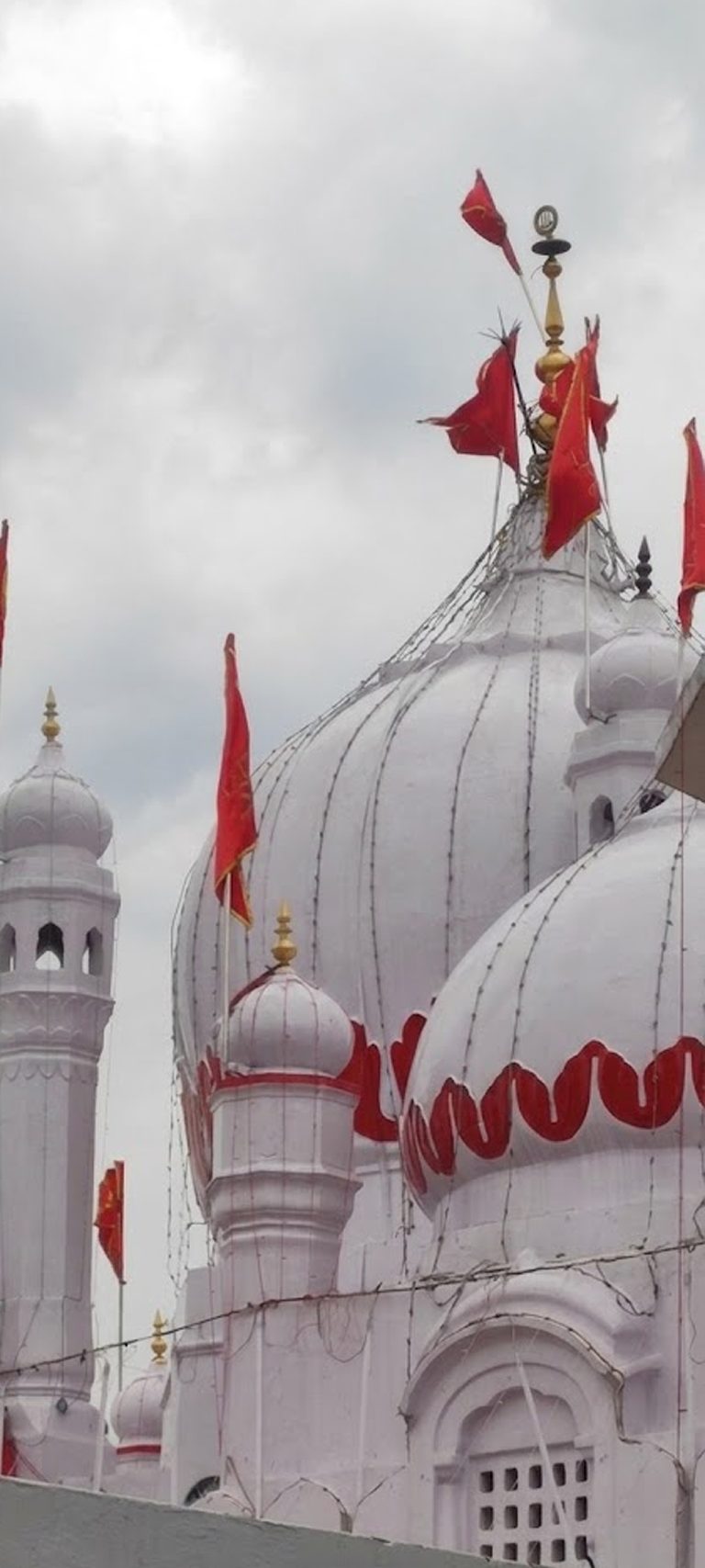
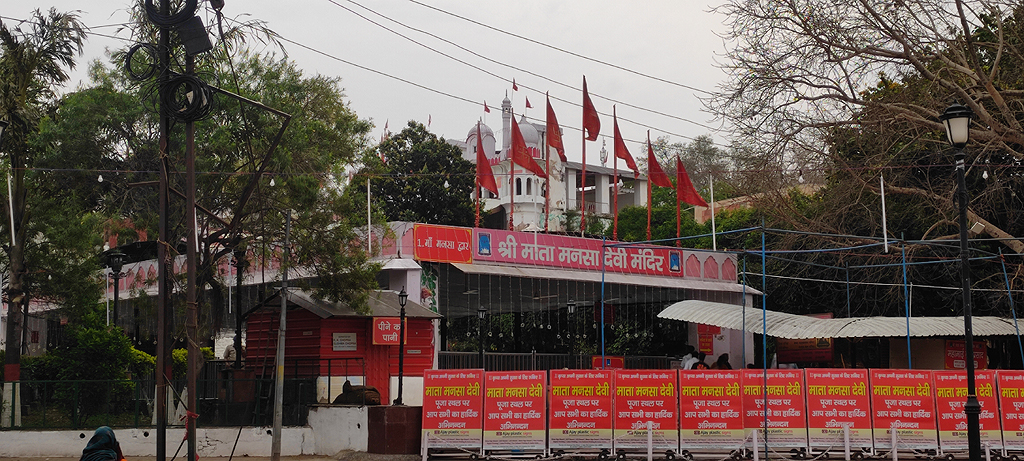
Architecture: Unlike the typical Nagara style of the Himalayas, this temple features a unique blend of Rajput and Mughal architecture, characterized by onion-shaped domes, minarets, and 38 beautiful wall painting panels depicting Puranic themes.
About 200 meters away from the main shrine, another significant temple was built.
Patronage: Maharaja Karam Singh of Patiala commissioned this temple in 1840 to commemorate his devotion.
Significance: This addition turned the site into a larger complex, often referred to as the “Patiala Temple” within the Mansa Devi shrine area.
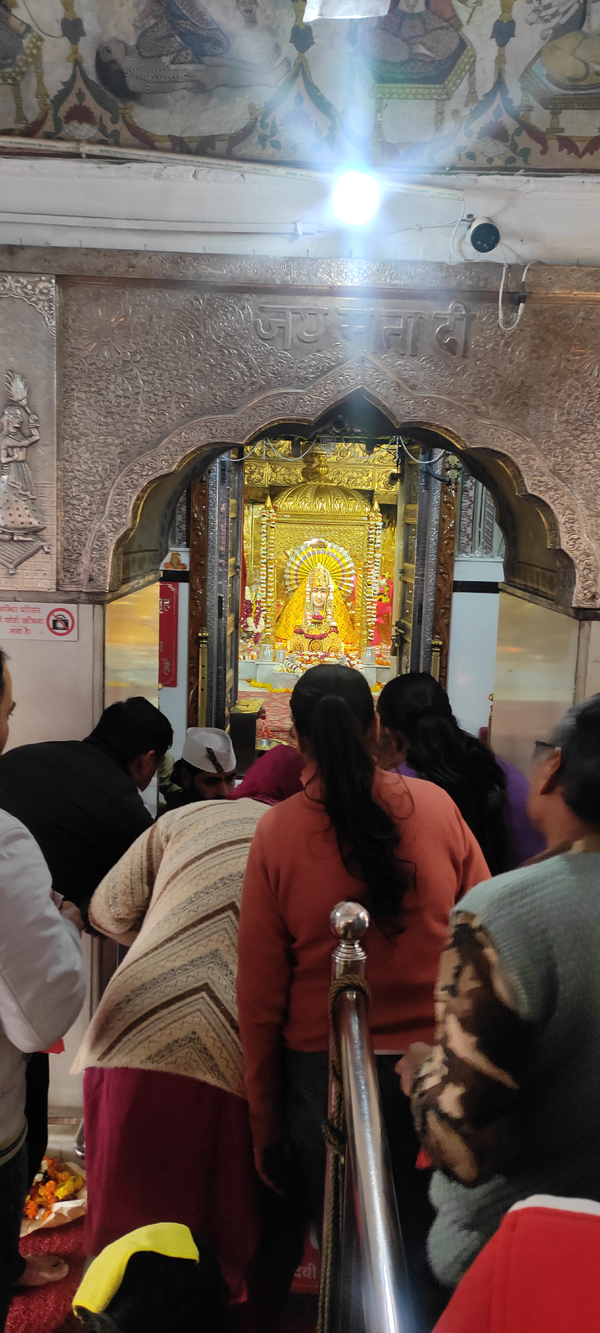
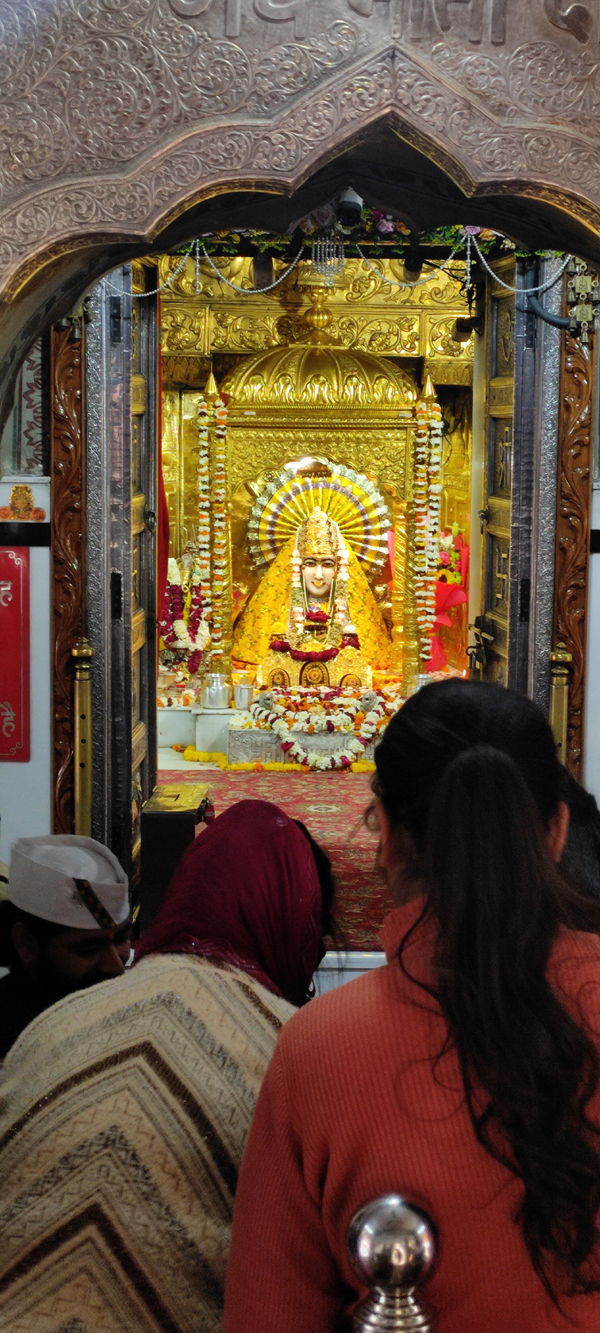
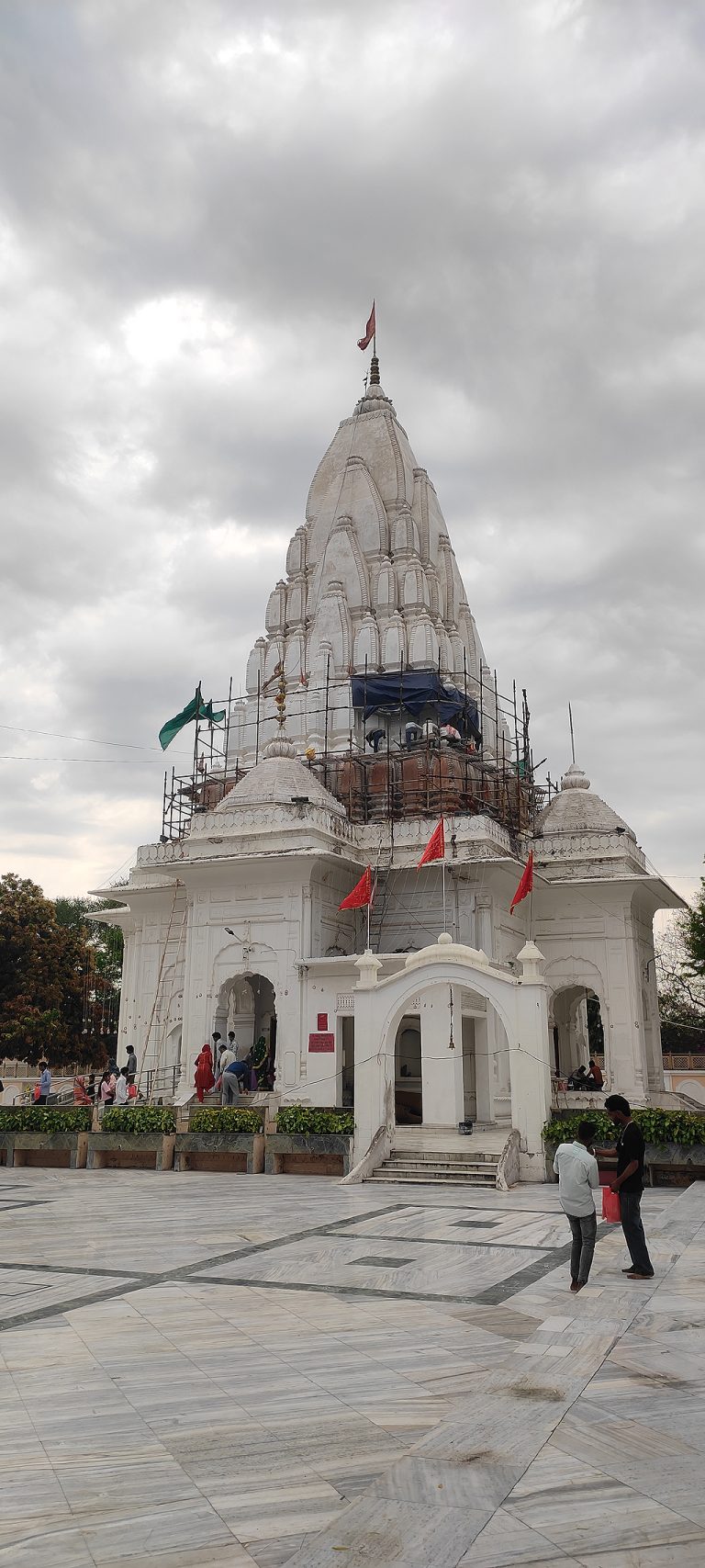
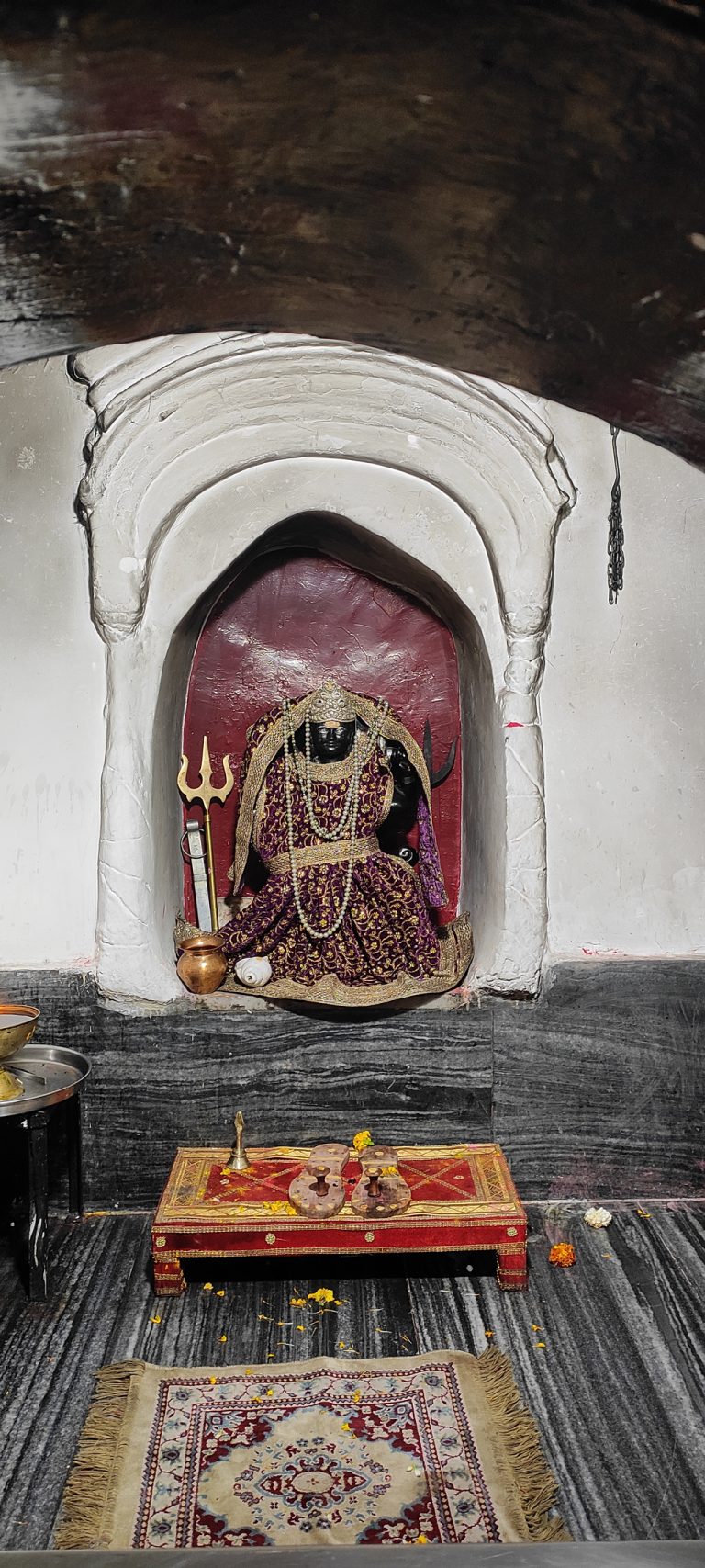
Following the merger of princely states into PEPSU (Patiala and East Punjab States Union) and later the formation of Haryana, the temple fell into a period of neglect.
Administrative Decay: Management was left to local priests (Khidmatuzar), who struggled to maintain the growing crowds and deteriorating infrastructure.
Recognizing the temple’s cultural and religious importance, the Haryana Government intervened.
The Act: The Shri Mata Mansa Devi Shrine Act (1991) was passed, and the Shri Mata Mansa Devi Shrine Board (SMMDSB) was formed, with the Chief Minister of Haryana as its Chairman.
Restoration: This phase saw the systematic renovation of the main corridors, the introduction of white marble, and the formalization of the Navratri Melas.
Photos
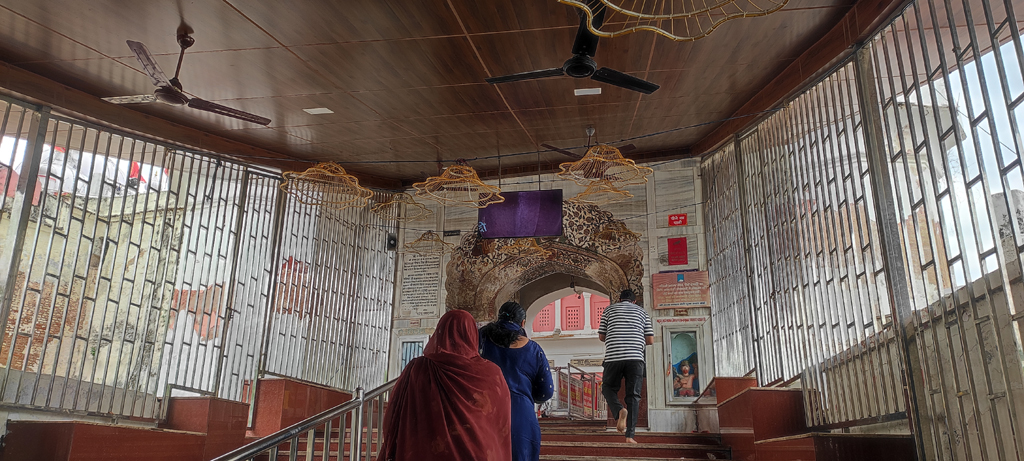
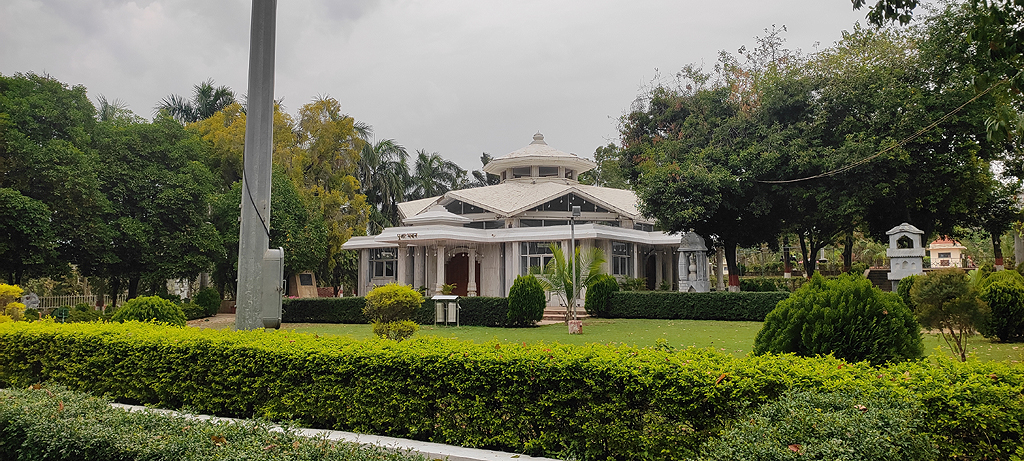
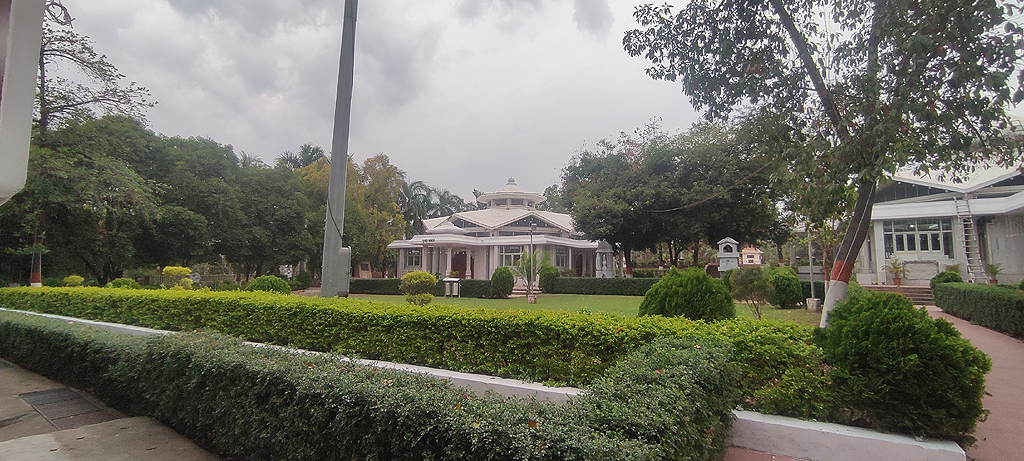
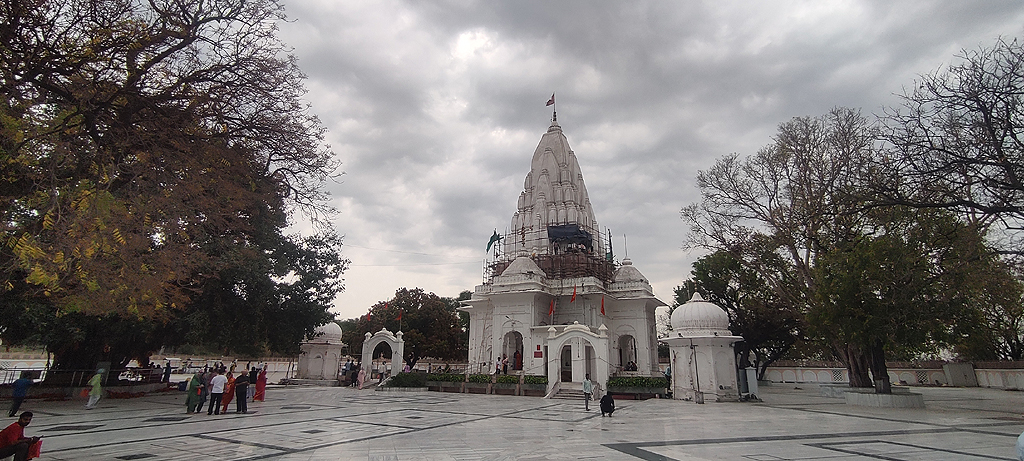
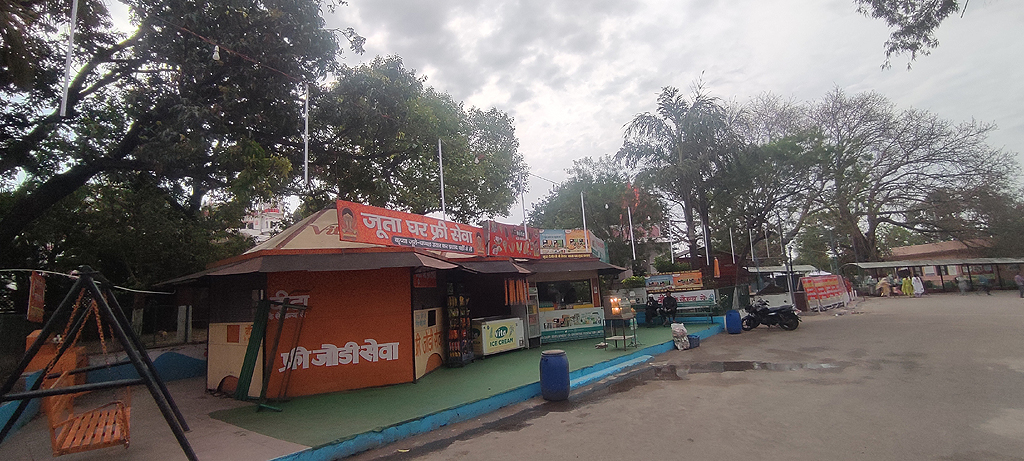
Mata Mansa Devi Shrine Board Panchkula, Haryana – INDIA
Landline No:- +911722920988